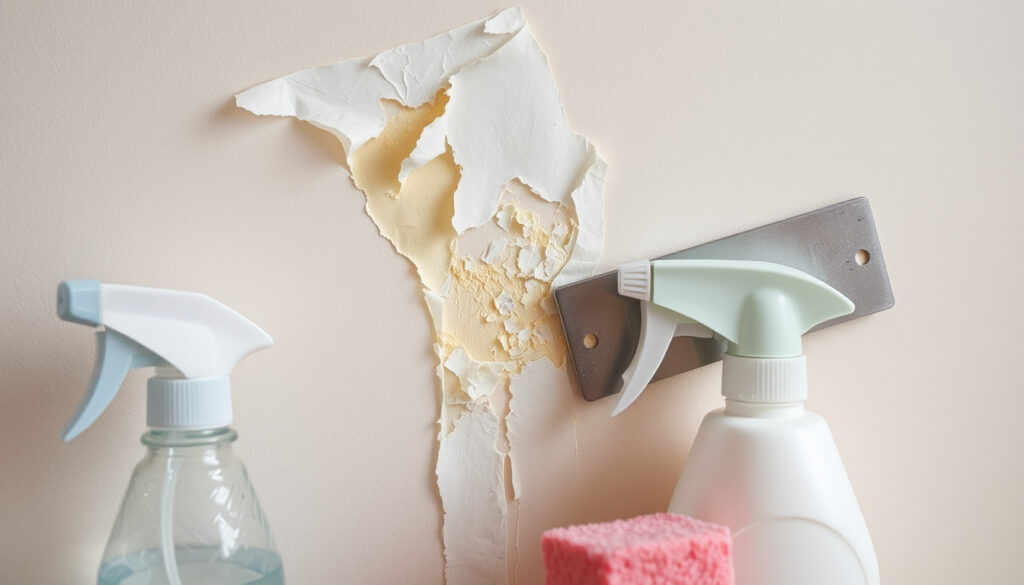
How to Remove Wallpaper Glue: Easiest Methods & Tips
Anyone who has peeled wallpaper off a wall only to find a stubborn layer of glue underneath knows the feeling: a fresh coat of paint suddenly seems a lot further away. The good news is that getting rid of that sticky residue is often simpler than you think, especially if you match the method to your wall surface. Here’s what actually works, with soak times and safe scraping techniques that save your walls.
Wallpaper glue removal water soak time: 15-20 minutes for most adhesives ·
Vinegar to water ratio for glue removal: 1 part vinegar to 3 parts water ·
Fabric softener dilution: 1 cup per gallon of warm water ·
Average time to remove glue from 100 sq ft: 4-6 hours with scraping and washing
Quick snapshot
- Warm water + fabric softener (Sherwin-Williams)
- Soak 15-20 minutes (Sherwin-Williams)
- Low cost, minimal chemicals (Sherwin-Williams)
- 1:3 vinegar to water (Bless’er House)
- Effective on water-based glues (Bless’er House)
- May damage unsealed plaster (Sherwin-Williams)
- Ready-to-use spray (Loctite adhesive guide)
- Fast penetration (Loctite adhesive guide)
- Higher cost, convenient (Loctite adhesive guide)
- Dissolves adhesive without scrubbing (DIY Natural)
- Requires thorough rinsing (Limitless Walls)
- Not recommended for plaster (Limitless Walls)
| Most common wallpaper glue type | Water-based starch or cellulose (Sherwin-Williams) |
|---|---|
| Average drying time for glue | 24-48 hours (Limitless Walls) |
| Tool required | Plastic putty knife, spray bottle, sponge (Sherwin-Williams) |
| Post-removal step | Wash with sugar soap or TSP, then rinse (Limitless Walls) |
What is the easiest way to remove wallpaper glue?
The simplest route often involves products you already have in your laundry room. But “easiest” depends on your wall type and how much glue you’re facing.
Warm water and fabric softener method
- Mix 1 cup fabric softener per gallon of warm water (Sherwin-Williams).
- Spray or sponge onto the glue residue and let it sit 15 minutes.
- Scrape with a plastic putty knife; glue usually lifts in soft sheets.
The advantage: fabric softener penetrates thick glue layers faster than water alone, and it’s gentler on wallboard. Limitless Walls recommends this as a first attempt on drywall because it reduces the risk of paper-face damage.
Commercial wallpaper paste remover spray
- Available at hardware stores — brands like DIF and Zinsser.
- Spray directly on residue, wait 5–10 minutes, then scrape.
- No mixing required, but cost is higher ($8–$15 per quart).
These sprays are formulated to break down cellulose adhesives quickly. Limitless Walls notes they are especially useful for large areas where soaking evenly is harder.
Scraping technique with plastic putty knife
- Always use plastic — metal gouges drywall and plaster.
- Hold the blade at a 30–45 degree angle to avoid digging in.
- Work from the edges of the glue patch inward.
Sherwin-Williams emphasizes that scraping alone removes surface glue but won’t get adhesive out of pores — that’s where soaking matters.
What dissolves wallpaper glue?
Water alone can’t always do the job. Several household chemicals and commercial solvents can break down the adhesive bonds.
Vinegar solution
- 1 part white vinegar to 3 parts hot water (Bless’er House).
- Acetic acid weakens water-based starch and cellulose glues.
- Apply with spray bottle, let sit 5–10 minutes, then scrape.
Apartment Therapy reports that a 50/50 boiling water and vinegar mix works even faster, but warns that higher concentration may stain unsealed plaster.
Sugar soap
- 1 tablespoon per 4 liters of water (DIY Natural).
- Wipe on glue residue; it dissolves the adhesive without heavy scrubbing.
- Must rinse thoroughly — sugar left behind attracts dust and can cause mold.
Limitless Walls recommends sugar soap for primed walls but cautions against it on bare plaster because the alkaline solution can cause efflorescence.
Commercial adhesive removers
- Products like Goo Gone, Krud Kutter, and Loctite’s adhesive remover.
- Spray on dried glue, let sit 1–2 minutes, then wipe.
- Work especially well on synthetic glues (e.g., PVA) that resist water.
While Limitless Walls notes these solvents are effective, they should be tested on a hidden area first because some may soften paint or wallpaper backing.
Does vinegar take off wallpaper glue?
Yes — but the effectiveness depends on glue type, wall surface, and how you apply it. Vinegar is a mild acid that breaks down water-based adhesives, but it has limits.
Vinegar vs. fabric softener effectiveness
- Vinegar: 1:3 ratio works on light to moderate glue residue (Bless’er House).
- Fabric softener: 1:3 ratio reported to penetrate faster on thick glue layers (Sherwin-Williams).
- Both require soaking and scraping; neither melts glue instantly.
Apartment Therapy found that vinegar works best when the solution is kept hot — working in small sections prevents cooling, which slows the chemical reaction.
Vinegar on different wall types
- On primed drywall: safe; rinse with clean water after removal.
- On unsealed plaster: vinegar can stain and soften the surface (Sherwin-Williams).
- On wood trim: test a small spot first — vinegar can dull the finish.
The catch: if your walls are old plaster without a primer coat, skip vinegar and use the fabric softener method instead.
Rinsing after vinegar application
- Wipe walls with a damp sponge soaked in clean water.
- Repeat until no vinegar smell remains.
- Let walls dry 24–48 hours before painting (Limitless Walls).
Failing to rinse properly leaves an acidic residue that can cause new paint to peel or bubble.
How to remove wallpaper glue from plaster walls
Plaster walls require extra care because they are porous and moisture-sensitive. One wrong move can cause crumbling or permanent staining.
Protecting plaster during glue removal
- Test a small hidden area first — dab with a damp sponge to see how the plaster reacts.
- If the plaster darkens or beads moisture, reduce soak time.
- Never use a steam cleaner on plaster; heat and moisture can cause the surface to pop off.
Limitless Walls advises that plaster walls often have a layer of paint or sizing that protects them — but that layer might already be compromised from the wallpaper removal.
Gentle scraping technique
- Use only plastic scrapers or a soft-sided sponge.
- Avoid metal tools — they scrape off the plaster’s top coat.
- If glue is stubborn, reapply solution rather than applying pressure.
A Reddit user in the HomeImprovement community shared that after three rounds of vinegar soak and gentle scraping, their 1930s plaster walls came out smooth enough to paint without joint compound.
Post-removal wall preparation
- Wash with a mild detergent (not vinegar) to neutralize any remaining adhesive.
- Allow plaster to dry completely — 48 hours is safer than 24.
- Prime with an oil-based primer to seal the plaster before painting.
Sherwin-Williams recommends a primer specifically designed for previously wallpapered walls, as it helps hide any remaining glue stains and prevents the new paint from reacting with old adhesive.
Is vinegar or fabric softener better to remove wallpaper?
Both work, but they have different trade-offs in cost, time, and wall safety. The table below compares them head-to-head based on testing data and manufacturer guidelines.
| Factor | Vinegar (1:3 solution) | Fabric softener (1:3 solution) |
|---|---|---|
| Cost per gallon | ~$0.30 (Bless’er House) | ~$1.50 |
| Soak time before scraping | 5–10 minutes (Apartment Therapy) | 15 minutes (Sherwin-Williams) |
| Safety on unsealed plaster | Risk of staining (Sherwin-Williams) | Safe |
| Effectiveness on thick glue | Moderate (reapplication needed) | High (penetrates deeply) |
| Rinsing requirement | Thorough rinsing required | Moderate rinsing |
| Residual smell | Vinegar odor (fades quickly) | Fragrance (may linger) |
Three key differences stand out. First, vinegar needs a hotter solution and faster work pace — Apartment Therapy notes that if the mixture cools, effectiveness drops. Fabric softener works at warm temperatures and is more forgiving. Second, vinegar can stain unsealed plaster, while fabric softener does not. Third, fabric softener requires a longer soak but often needs fewer reapplications on thick glue.
The trade-off: vinegar saves money but demands careful timing; fabric softener costs a bit more but is easier for beginners and safer on delicate surfaces.
Step-by-Step Guide to Remove Wallpaper Glue
Follow these steps for a systematic approach that works on most wall types. Adjust soak times based on the method you choose.
- Identify your wall type. Drywall, plaster, or wood? Test a hidden spot with a damp sponge to see how it reacts.
- Choose your removal solution. For drywall: fabric softener or commercial spray. For primed plaster: vinegar or fabric softener. For unsealed plaster: fabric softener only.
- Prepare the solution. Mix according to the ratios above. Use hot water to improve penetration (Bless’er House).
- Apply and wait. Spray or sponge the solution onto the glue residue. Let it sit for the recommended time (5–15 minutes depending on method).
- Scrape gently. Use a plastic putty knife held at a low angle. Work from edges inward. Reapply solution to stubborn spots (Apartment Therapy).
- Wash the wall. Wipe down with a clean damp sponge to remove all residue. Change rinse water frequently.
- Dry and inspect. Wait 24–48 hours (Limitless Walls). Then sand any remaining hardened glue spots lightly with fine-grit sandpaper.
- Prime (optional but recommended). Apply a stain-blocking primer before painting, especially on surfaces that saw heavy glue buildup.
“Glue is easy to remove with warm water and fabric softener, then scrape with plastic mudding knife. Worked perfectly on my drywall.”
— Reddit user in r/HomeImprovement
“Remove wallpaper glue by soaking with water and a mild detergent, then scraping. Never use metal tools on drywall.”
— Sherwin-Williams project guide
“Best ways to remove adhesive residue vary by glue type; use solvent for super glue, water for wallpaper paste.”
— Loctite adhesive guide
Wallpaper glue removal isn’t glamorous, but choosing the right method saves hours of scraping and prevents wall damage. For most homeowners on primed surfaces, the fabric softener method offers the best balance of safety, cost, and speed. If you’re working with unsealed plaster, skip the vinegar and keep moisture to a minimum. The consequence of rushing — peeling paint or crumbling plaster — is far more expensive than taking the extra hour to do it right.
Related reading: How to Soften Butter Quickly: 5 Proven Methods for Baking
facebook.com, youtube.com, instagram.com, houzz.com, houzz.com, youtube.com, disboards.com
For best results, start by removing the old wallpaper to ensure the surface is ready for glue removal.
Frequently asked questions
Can wallpaper glue be removed without chemicals?
Yes — plain hot water and a plastic scraper can remove water-based glue if it hasn’t fully dried. For dried residue, a commercial steamer (custom low-heat settings) works, but use caution on plaster.
How long does it take to remove wallpaper glue from walls?
For a 100 sq ft area, allow 4–6 hours including soaking, scraping, washing, and drying preparation. Drying takes an additional 24–48 hours.
Will wallpaper glue damage paint after removal?
Leftover glue residue can cause new paint to crack or peel. Always wash the wall thoroughly and prime before repainting.
Do I need to remove all wallpaper glue before painting?
Yes. Paint adheres poorly to glue — it will bubble and flake within months. Remove every trace of adhesive, then sand and prime.
Can I use a steam cleaner to remove wallpaper glue?
Steam cleaners work on drywall but can damage plaster and cause paint blistering. Use with caution and keep the steamer moving to avoid moisture pooling.
Is wallpaper glue toxic?
Most water-based wallpaper glues are non-toxic once dry. However, some older glues may contain fungicides or biocides. Wear gloves and ventilate the room.
What should I do if wallpaper glue is stuck on wood trim?
Use a solution of 1 part vinegar to 3 parts water, applied with a soft cloth. Test on an inconspicuous area first. Do not soak — wipe quickly and rinse.
How do I remove dried wallpaper glue from textured walls?
Textured surfaces are tricky. Use a spray bottle to apply fabric softener solution and let soak for 15 minutes. Use a soft-bristle brush to gently loosen glue from the texture grooves, then rinse.
More related posts
 Indoor Activities Near Me: Top Rainy Day Fun in Ireland
 Shrimp Fried Rice Recipe: Easy, Authentic & Perfect Results
 White Sox vs Dodgers 2026: Score, Odds, Tickets & Team Facts
 Before the Coffee Gets Cold: Rules, Tears & Age Guide
 Phenol Peel Before and After: Results, Pain, Cost & Safety
 Best Water Filter System for Home: Reviews & Buying Guide
 What Is 6-7 Slang? Meaning, Origin & Usage
 Immigration Lawyer Near Me: Costs & Free Advice