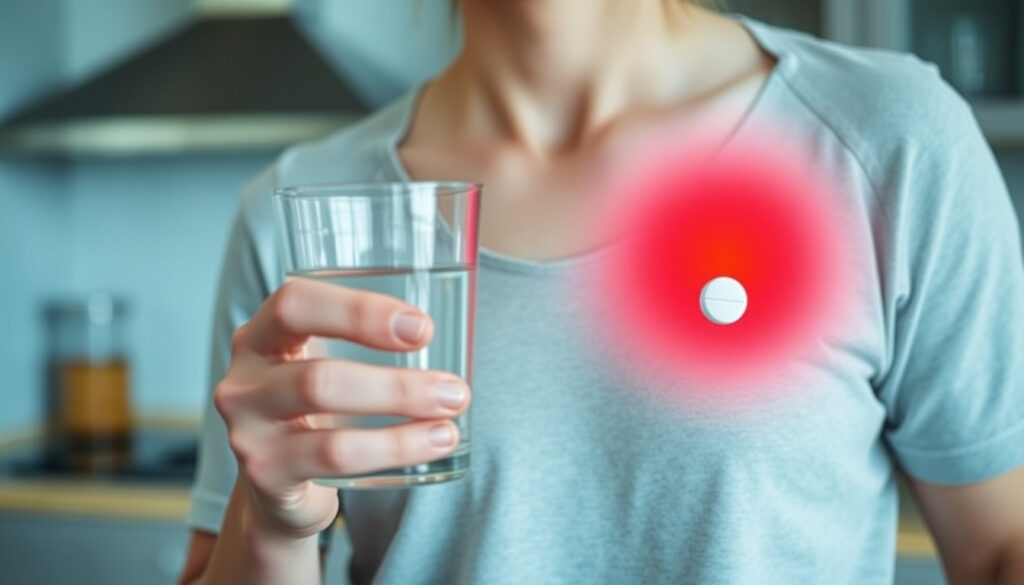
How to Get Rid of Heartburn: Fast Relief & When to See a Doctor
Anyone who has been woken up by that burning sensation crawling up their chest knows the drill: you just want it gone, fast. The good news is that for most people, relief is within reach—whether through a kitchen staple, an over-the-counter chewable, or a simple shift in how you move after eating, and this guide cuts through the noise with evidence-backed steps for immediate relief and smart long-term prevention so you can identify what actually works for your body and know exactly when a symptom demands a doctor’s attention.
Adults who experience heartburn monthly: 20% ·
Home remedies cited in recent reviews: 10+ ·
Time relief from antacids: minutes ·
Common trigger foods: spicy, fatty, acidic, carbonated ·
PPI prescriptions per year (US): 15 million
Quick snapshot
- Antacids (TUMS, Rolaids) neutralize acid in minutes (Mayo Clinic)
- Baking soda water acts as a homemade antacid (WebMD)
- Avoid lying flat for 30 minutes after eating (Mayo Clinic)
- Smaller, more frequent meals reduce stomach pressure (NHS)
- Weight loss eases symptoms if overweight (WebMD)
- Elevate head of bed 6-8 inches (Mayo Clinic)
- Avoid trigger foods: spicy, fatty, acidic, carbonated (Mayo Clinic)
- Apple cider vinegar helps some, worsens others (WebMD)
- Probiotics’ impact on heartburn frequency not well-established (WebMD)
- Aloe vera juice has limited evidence for esophageal coating (WebMD)
- Chewing gum may stimulate saliva but evidence is limited (WebMD)
- Heartburn 3+ times per week (Mayo Clinic)
- Difficulty swallowing (dysphagia) (Mayo Clinic)
- Unexplained weight loss (Mayo Clinic)
- Blood in vomit or stool (Mayo Clinic)
Heartburn is a common condition, but the relief options vary widely. The table below summarizes key facts to help you understand what you’re dealing with.
| Field | Value |
|---|---|
| Definition | Burning sensation in the chest caused by stomach acid flowing back into the esophagus |
| Common Triggers | Spicy foods, fatty foods, acidic fruits, caffeine, alcohol, smoking, pregnancy |
| Typical Duration | Minutes to 2 hours, depending on severity and remedy |
| OTC Relief Options | Antacids, H2 blockers (Pepcid, Zantac), PPIs (Prilosec, Nexium) |
| When Emergency Required | Chest pain with shortness of breath, arm/jaw pain, cold sweat (may be heart attack) |
Five key categories, each with a different relief timeline: antacids work in minutes, H2 blockers in about 30–60 minutes, and PPIs take days for full effect. The pattern is simple—fast relief comes from neutralizing acid already in the esophagus, while longer relief requires reducing acid production or preventing reflux mechanically.
How can I stop heartburn asap?
Quick antacid relief
When heartburn strikes, antacids are the fastest option. According to Mayo Clinic (leading US medical center), OTC antacids like TUMS and Maalox neutralize stomach acid within minutes. They work directly in the esophagus and stomach, providing rapid symptom relief for mild to moderate episodes.
Baking soda in water
Half a teaspoon of baking soda (sodium bicarbonate) dissolved in a glass of water can act as a homemade antacid, notes WebMD (consumer health resource). It works by neutralizing acid instantly. However, it is high in sodium and should not be used regularly—especially for those with high blood pressure or on a low-sodium diet.
Chewing gum to neutralize acid
Chewing gum triggers saliva production, and swallowing that saliva can help clear acid from the esophagus. Choose sugar-free gum and avoid mint flavors, which may relax the lower esophageal sphincter. Clinical data suggests that 30 minutes of chewing after a meal can reduce reflux symptoms, though evidence is limited.
For someone caught off-guard by a spicy meal, the fastest play is an antacid or baking soda water. But the catch: neither addresses why the reflux happened—they only neutralize what is already there.
What this means: immediate relief buys you time, but if heartburn returns after every meal, you need a strategy that targets the root cause—acid production or the mechanical barrier of the lower esophageal sphincter.
What can I drink to relieve heartburn?
Water and its role
Plain water can help dilute stomach acid and flush it back down into the stomach. A few sips after eating can clear the esophagus and relieve mild discomfort. StatPearls (medical reference resource) notes that water also helps with swallowing and reduces the concentration of refluxate.
Aloe vera juice
Aloe vera juice may coat and soothe the esophageal lining, though the evidence is limited. Some people find it helpful for mild reflux, but WebMD advises caution: aloe vera can have a laxative effect and may interact with medications.
Ginger tea
Ginger has anti-inflammatory properties that may reduce reflux symptoms. A cup of ginger tea (without caffeine) can calm the digestive tract. The NHS (UK national health authority) lists ginger as a traditional remedy that may help settle the stomach, but advises avoiding large quantities.
Low-acid fruit juices
Cantaloupe, honeydew, and banana-based smoothies are naturally low in acid and less likely to trigger reflux. Avoid citrus juices (orange, grapefruit, lemon) during an episode—they add more acid to an already irritated esophagus.
The pattern: water and ginger tea are safe bets for anyone; aloe vera is a possible but unproven option. The trade-off is that liquids alone rarely stop a moderate-to-severe episode—they work best as preventives or complements to medication.
What are the 7 signs of heartburn?
Burning sensation in chest
The classic sign: a burning discomfort in the center of the chest, often rising toward the throat. Mayo Clinic (leading US medical center) describes it as the most common symptom of acid reflux, usually occurring after eating or when lying down.
Sour taste in mouth
Acid that reaches the throat leaves a sour or bitter taste, sometimes accompanied by a feeling of liquid coming up. This is called regurgitation and is a hallmark of GERD when it happens frequently.
Difficulty swallowing
Dysphagia—the sensation of food getting stuck in the chest or throat—can signal esophageal damage from chronic acid exposure. Mayo Clinic warns that this symptom warrants medical evaluation.
Chronic cough
A persistent dry cough, especially at night or after meals, can be an atypical sign of GERD. The acid irritates the throat and airways, triggering a cough reflex.
Hoarseness
Stomach acid that reaches the vocal cords can cause inflammation and hoarseness, particularly in the morning. ENT Health (American Academy of Otolaryngology) notes that this is often misattributed to allergies or colds.
Regurgitation
The sensation of acid or food coming back up into the throat or mouth is distinct from vomiting. It often leaves a burning feeling in the throat and a sour aftertaste.
Worsening symptoms after eating or lying down
Symptoms that intensify after a large meal or when reclining are a strong indicator of reflux. NHS (UK health authority) advises that positioning plays a central role in symptom severity.
The implication: if you recognize three or more of these signs, especially difficulty swallowing or a chronic cough, you may be dealing with GERD rather than occasional heartburn—and that changes the treatment approach.
What gets mistaken for heartburn?
Heart attack
Chest pain from a heart attack can feel exactly like heartburn—a burning or squeezing sensation in the center of the chest. Mayo Clinic (leading US medical center) warns that if the pain radiates to the arm, jaw, or back, or is accompanied by shortness of breath, nausea, or cold sweat, call 911 immediately.
Gallstones
Gallbladder attacks often cause pain in the upper right abdomen after fatty meals. The pain can be mistaken for heartburn, though it tends to be sharper and located under the ribs rather than in the center of the chest.
Gastritis
Inflammation of the stomach lining can produce a burning sensation in the upper abdomen that mimics heartburn. NHS (UK health authority) distinguishes gastritis by its location (higher in the stomach) and the presence of nausea or bloating.
Esophagitis
Inflammation of the esophagus from causes other than acid—such as infection, medication irritation, or allergies (eosinophilic esophagitis)—can produce identical symptoms. Diagnosis requires endoscopy.
Pancreatitis
Pain from pancreatitis is typically severe, radiates to the back, and worsens after eating. It is less likely to be relieved by antacids, a key differentiator from heartburn.
Heartburn’s greatest risk may be its banality. When chest pain is actually a heart attack, every minute of self-diagnosis as “just indigestion” reduces survival odds. The rule: if you have any doubt, go to the emergency room.
The trade-off: antacids will not relieve a heart attack or gallbladder attack. If your “heartburn” is new, severe, or comes with other symptoms, treat it as a potential emergency first.
How long does heartburn usually last?
Duration of typical heartburn episode
Most heartburn episodes last from a few minutes to a couple of hours, according to Mayo Clinic (leading US medical center). The duration depends on how much acid is in the stomach, whether the person lies down, and how quickly the body neutralizes the acid.
Factors that prolong symptoms
Lying down, wearing tight clothing, or eating a large meal before bed can keep symptoms going for hours. NHS (UK national health authority) advises staying upright for at least 3 hours after eating to help gravity do its job.
When to see a doctor
If heartburn occurs nightly for 3 weeks or more, or if it wakes you from sleep, it warrants medical evaluation. Chronic heartburn can lead to esophagitis, strictures, or Barrett’s esophagus—a precancerous condition.
Why this matters: an occasional 30-minute episode is normal. But heartburn that persists for hours despite home treatment—or returns every night—is not “just heartburn.” It is a signal that the lower esophageal sphincter is not holding the line, and that needs professional attention.
Should I lie down with heartburn?
Why lying flat worsens reflux
Gravity is your ally in keeping stomach acid down. When you lie flat, gravity no longer holds acid in the stomach, and it flows freely into the esophagus. Mayo Clinic (leading US medical center) explicitly advises waiting 2 to 3 hours after a meal before lying down.
Best sleeping positions
Sleeping on your left side has been shown to reduce reflux episodes compared to sleeping on the right or back. Guts UK (gastrointestinal health charity) recommends this position along with elevating the head of the bed by up to 20 cm (about 8 inches).
Timing of meals before bed
The NHS advises not eating 3 to 4 hours before going to bed. Guts UK echoes this, suggesting the main evening meal be eaten at least three hours before sleep. This gives the stomach time to empty before you recline.
The pattern: the single most effective non-medical intervention for night-time heartburn is mechanical—elevate the head, sleep on the left, and leave a gap between dinner and bed. Medication is secondary to positioning.
What causes heartburn?
Dietary triggers
Spicy foods, fatty meats, citrus fruits, tomatoes, chocolate, caffeine, and carbonated beverages are among the most common triggers. Mayo Clinic (leading US medical center) lists these as foods that relax the lower esophageal sphincter or directly irritate the esophagus.
Lifestyle factors
Obesity increases intra-abdominal pressure, pushing acid upward. Smoking and alcohol both weaken the lower esophageal sphincter. WebMD (consumer health resource) adds that tight belts and clothing can worsen symptoms by compressing the stomach.
Medical conditions (GERD, hiatal hernia)
GERD is diagnosed when heartburn occurs at least twice a week or causes esophageal damage. A hiatal hernia, where part of the stomach pushes through the diaphragm, can prevent the lower esophageal sphincter from closing properly. NHS (UK health authority) notes that hiatal hernias are more common in people over 50.
Pregnancy
Hormonal changes and the growing uterus put pressure on the stomach during pregnancy, making heartburn very common, especially in the third trimester. ACOG (American College of Obstetricians and Gynecologists) recommends smaller meals, avoiding trigger foods, and sleeping propped up.
The implication: heartburn has multiple triggers, and they stack. A high-fat meal plus a tight belt plus lying down after eating is a near-guaranteed episode. Identifying your personal triggers through a food-symptom diary—as WebMD suggests—is the most effective prevention step.
Home remedies vs OTC medications: which is right for you?
Six common options, one clear trade-off: speed versus duration. Antacids and baking soda win on speed; H2 blockers and PPIs win on coverage. Alginates and lifestyle changes live in the middle—good for prevention, less reliable for acute attacks.
| Remedy / Medication | How It Works | Time to Relief | Duration of Effect | Best For |
|---|---|---|---|---|
| Antacids (TUMS, Maalox) | Neutralize existing acid | Minutes | 30–60 min | Immediate, occasional relief |
| Baking soda in water | Neutralizes acid (homemade antacid) | Minutes | 30–60 min | Quick home remedy (low sodium diet caution) |
| Alginates (Gaviscon) | Create a foam barrier on top of stomach contents | Minutes | Up to 4 hours | Night-time reflux, post-meal prevention |
| H2 blockers (Pepcid, famotidine) | Reduce acid production | 30–60 min | Up to 12 hours | Meal-related heartburn, longer coverage |
| PPIs (Prilosec, omeprazole) | Block acid production at the source | 1–3 days | 24+ hours (with daily use) | Frequent heartburn, GERD maintenance |
| Lifestyle changes | Reduce pressure on LES, avoid triggers | Variable (immediate to weeks) | Ongoing | Prevention, long-term management |
For the person who has heartburn twice a year after a heavy meal, antacids are perfect. For someone who needs to sleep through the night without waking up burning, an H2 blocker or alginate before bed is the smarter pick. The catch: no single option works for every scenario, and using a PPI daily for years without medical supervision carries risks including vitamin B12 deficiency and increased fracture risk.
Step-by-step: how to stop a heartburn episode right now
- Stay upright – If you are sitting or lying down, stand or sit up straight. Gravity is the fastest, cheapest intervention. Mayo Clinic (leading US medical center) recommends waiting at least 2–3 hours before lying down after eating.
- Drink a glass of plain water – A few sips of water can dilute stomach acid and help flush it back down. Do not gulp—drink slowly to avoid bloating, which can worsen reflux.
- Take an antacid – Chew one or two antacid tablets (TUMS, Maalox, Rolaids). They work within minutes by neutralizing acid. Follow the dosing instructions on the label—do not exceed the maximum daily dose.
- Loosen tight clothing – Belts, waistbands, and tight pants increase abdominal pressure. Mayo Clinic notes that this simple step can provide immediate relief by reducing pressure on the stomach.
- Chew sugarless gum for 30 minutes – Saliva production increases with chewing, and swallowing clears acid from the esophagus. Choose non-mint flavors; mint may relax the lower esophageal sphincter.
- Try baking soda water if no antacid is available – Mix ½ teaspoon of baking soda in 4–8 ounces of water. Drink slowly. Limit to occasional use due to high sodium content.
- Do not eat or drink anything else – More food or drink—especially carbonated or acidic beverages—can add pressure and acid. Give your stomach 30–60 minutes to clear what is already there.
If these steps do not provide noticeable relief within 30 minutes, or if the pain is accompanied by shortness of breath, arm or jaw pain, or nausea, stop self-treating and seek emergency care—that pattern may signal a heart attack, not heartburn.
Confirmed facts and what remains unclear
Confirmed facts
- Antacids provide relief within minutes for most people (Mayo Clinic)
- Elevating the head of the bed reduces night-time reflux (Mayo Clinic)
- Weight loss reduces symptoms in overweight individuals (WebMD)
- Ginger and aloe vera may help some people, but evidence is limited (NHS)
What’s unclear
- Efficacy of apple cider vinegar for heartburn (some find relief, others worsened)
- Whether probiotics significantly reduce heartburn frequency
- Chewing gum’s role in reducing reflux – limited evidence
- Aloe vera juice’s coating effect – limited evidence
“Heartburn is incredibly common but often mismanaged. People assume it’s harmless and treat it with whatever is in the cabinet, but if it’s happening multiple times a week for weeks on end, that’s not heartburn—that’s GERD, and it needs a proper workup.”
— Gastroenterologist at Johns Hopkins Medicine (academic medical center)
“Simple things like not eating late, sleeping on your left side, and losing a few pounds if you need to can cut heartburn frequency by half or more—without a single pill.”
— Dietitian at Houston Methodist Hospital (leading Texas hospital)
“Most people can manage their symptoms with lifestyle changes and occasional antacids, but if you need to take antacids more than twice a week, you should see your GP.”
— NHS (UK national health authority) guidance
For anyone dealing with occasional heartburn, the evidence-based path is clear: start with immediate mechanical and OTC interventions, identify your personal triggers, and adjust eating and sleeping habits. For the person whose heartburn has become a nightly routine or who has developed difficulty swallowing, the choice is equally clear: stop guessing and see a gastroenterologist for an evaluation, or risk long-term esophageal damage.
nhsinform.scot, newsnetwork.mayoclinic.org, franciscanhealth.org, thocc.org, youtube.com, eroffortworthtx.com, heartburnhealth.org, mayoclinichealthsystem.org
For those experiencing heartburn, exploring indigestion relief tips can provide additional strategies for managing digestive discomfort.
Frequently asked questions
Can heartburn be a sign of something serious?
Yes. While occasional heartburn is common, persistent symptoms can indicate GERD, a hiatal hernia, or in rare cases, esophageal cancer. Mayo Clinic advises seeing a doctor if heartburn occurs nightly for 3 weeks or more, or if it is accompanied by difficulty swallowing, vomiting blood, or unexplained weight loss.
Is it safe to take antacids every day?
No. Daily antacid use can mask underlying conditions and cause side effects like diarrhea, constipation, or kidney issues with long-term use. NHS recommends using antacids only as needed and not exceeding the labeled dosage. If you need them more than twice a week, see a doctor.
What is the difference between heartburn and GERD?
Heartburn is a symptom—a burning sensation in the chest caused by acid reflux. GERD (gastroesophageal reflux disease) is a chronic condition diagnosed when heartburn occurs at least twice a week or causes esophageal damage. Mayo Clinic notes that GERD may also involve regurgitation, chronic cough, and dysphagia.
Does pregnancy always cause heartburn?
Not always, but it is very common—especially in the second and third trimesters. Hormonal changes relax the lower esophageal sphincter, and the growing uterus increases abdominal pressure. ACOG (American College of Obstetricians and Gynecologists) recommends smaller, more frequent meals and avoiding trigger foods.
Can stress cause heartburn?
Stress alone does not directly cause heartburn, but it can worsen symptoms. Stress increases stomach acid production and can lead to behaviors—like eating quickly, skipping meals, or reaching for comfort foods—that trigger reflux. Managing stress through relaxation techniques may reduce symptom frequency.
Are there any foods that prevent heartburn?
Some foods may help reduce symptoms: non-citrus fruits (bananas, melons, apples), lean proteins (chicken without skin, fish), whole grains (oatmeal, brown rice), and ginger. These foods are less likely to trigger reflux and may help neutralize stomach acid. WebMD suggests keeping a food diary to identify personal triggers.
Does drinking milk help heartburn?
Milk may provide temporary relief by coating the esophagus and neutralizing acid, but whole milk’s fat content can relax the lower esophageal sphincter and trigger more acid production later. Skim or plant-based milk (almond, oat) are better options. Mayo Clinic advises against relying on milk as a regular remedy.
For the reader who manages occasional heartburn with lifestyle tweaks and an occasional antacid, the evidence is reassuring: you are on the right track. For the person whose heartburn has become a nightly companion, the decision is equally clear: see a doctor, rule out GERD and other conditions, and get a treatment plan that goes beyond the medicine cabinet.
Related reading
- Left side pain under ribs: what could be causing it? — heartburn often manifests as upper abdominal pain, so understanding other causes of discomfort in this region is useful for differential diagnosis.
- How much should I weigh? — since weight loss is a proven way to reduce heartburn symptoms, a weight reference tool complements this article for readers looking to manage their weight.
More related posts
 How Much Should I Weigh? Ideal Weight by Height, Age & Gender
 Uber Eats Promo Code: Get 50% Off & Discounts 2026
 The Amazing Spider-Man 2 – Plot, Cast and Franchise Fate
 Apple Serial Number Lookup: Check Warranty & Authenticity
 How Many Teaspoons in a Tablespoon? Conversion & Chart
 Mexico vs Colombia (Oct 2025): Score, Watch, H2H Record
 US Flight Cancellations Weather Disruptions: Live Stats
 How to Watch Thursday Night Football: Free Streams & Schedule