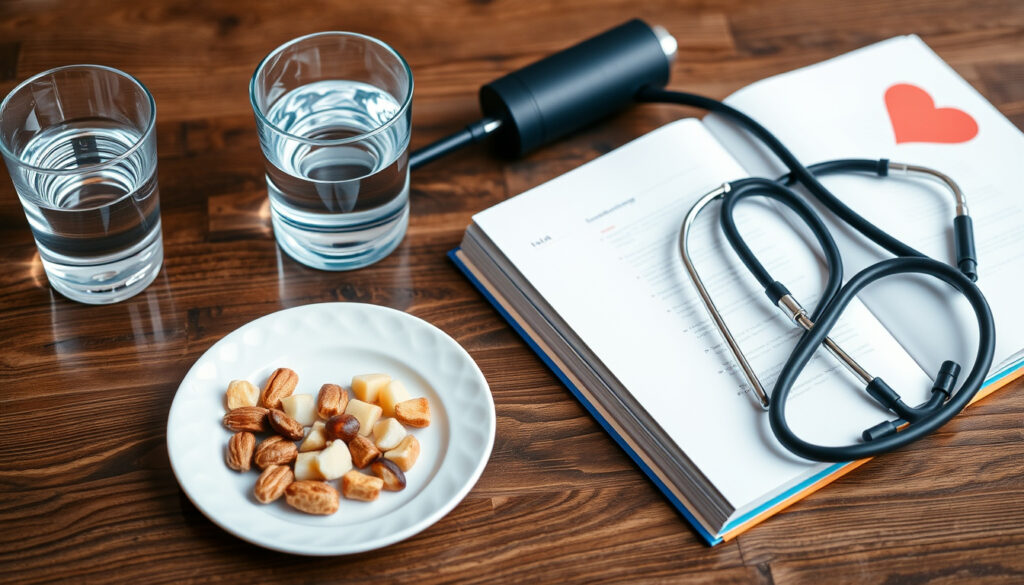
Low Blood Pressure Causes: What to Do, Eat & When to Worry
Few health numbers spark as much confusion as a blood pressure reading that dips below 90/60 mm Hg. While high blood pressure gets most of the attention, low blood pressure can leave you dizzy, exhausted, or even worried enough to wonder if something is seriously wrong.
Low blood pressure threshold: Below 90/60 mm Hg ·
Estimated prevalence in general population: Up to 5% (varies by age and sex) ·
Common cause in clinical practice: Dehydration ·
Increase in risk for older adults: 2-3 times more likely after age 65 ·
Standard diagnostic measurement: Blood pressure reading with a sphygmomanometer
Quick snapshot
- Low blood pressure is defined as below 90/60 mm Hg (Mayo Clinic)
- Dehydration is a leading cause of hypotension (MedlinePlus)
- Pregnancy can trigger low blood pressure, especially in the first and second trimesters (Cleveland Clinic)
- Optimal salt intake for chronic hypotension varies by individual (American Heart Association)
- Long-term effects of caffeine on blood pressure are inconsistent (NHS)
- Exact prevalence rates depend heavily on the population studied (American Heart Association)
- Symptom onset can be gradual (chronic conditions) or sudden (sepsis, blood loss) (Cleveland Clinic)
- Postural hypotension symptoms appear within seconds of standing (Leeds Teaching Hospitals NHS Trust)
- Immediate hydration and dietary adjustments are first-line steps (NHS)
- Medical evaluation needed if symptoms persist or include fainting (American Heart Association)
Five key data points, one pattern: low blood pressure isn’t a single disease but a sign that something else — from dehydration to a heart condition — needs attention.
The data table below distills the essential facts every patient should have at hand.
| Fact | Detail |
|---|---|
| Definition | Blood pressure below 90/60 mm Hg (Mayo Clinic) |
| Most common cause | Dehydration (MedlinePlus) |
| Prevalence in women | Affects approximately 3-5% of women, higher during pregnancy (Cleveland Clinic) |
| Treatment goal | Raise pressure above 90/60 and manage symptoms (American Heart Association) |
| First-line dietary advice | Increase fluid and salt intake under medical supervision (NHS) |
The implication: recognizing the cause early is what separates a manageable episode from a hospital visit.
A single reading below 90/60 doesn’t mean trouble — but when dehydration, medication, or an underlying condition is the driver, your body is sending a signal. Recognizing the cause early is what separates a manageable episode from a hospital visit.
What to do about low blood pressure?
Immediate steps when feeling faint
- Increase fluid intake — water is the first line of defense against dehydration-related hypotension (MedlinePlus (U.S. National Library of Medicine))
- Avoid standing up quickly; orthostatic (postural) hypotension can hit within seconds (Leeds Teaching Hospitals NHS Trust)
- Use compression stockings to prevent blood from pooling in the legs (Cleveland Clinic)
- Monitor symptoms for deterioration — worsening dizziness, confusion, or chest pain requires emergency care (American Heart Association)
The pattern: these immediate steps buy you time, but they don’t treat the root cause.
When to call emergency services
- Loss of consciousness or fainting that doesn’t resolve quickly (NHS)
- Chest pain, shortness of breath, or a rapid, weak pulse (Cleveland Clinic)
- Confusion, slurred speech, or signs of shock — pale, cold, clammy skin (healthdirect Australia (government health service))
Many home remedies help in the moment, but they mask a deeper cause. Dehydration, medication side effects, or an undiagnosed heart condition require different answers — and only a medical workup separates them.
What should people with low blood pressure eat?
Foods to include for low blood pressure
- Increase salt intake — only if approved by your doctor, as excessive sodium can harm some patients (American Heart Association)
- Drink plenty of water — 6 to 8 glasses daily helps maintain blood volume (NHS)
- Small, frequent meals prevent postprandial hypotension — the blood pressure drop that occurs after eating (Cleveland Clinic)
- Include folate and vitamin B12-rich foods (leafy greens, eggs, fortified cereals) to prevent anaemia-related hypotension (healthdirect Australia)
Foods to avoid with low blood pressure
- Avoid large, heavy meals — they divert blood to the digestive tract and can lower pressure further (Mayo Clinic)
- Avoid alcohol — it dehydrates you and can dilate blood vessels, driving pressure down (Cleveland Clinic)
- Limit low-sodium “health foods” — processed low-sodium products can inadvertently starve your system of the salt you need to maintain pressure
How to increase blood pressure fast?
Drink caffeinated beverages
- Coffee or tea can transiently raise blood pressure, but the effect varies between individuals (NHS)
Increase salt intake quickly
- Salt tablets under medical guidance can rapidly elevate pressure, but should only be used with a doctor’s approval (American Heart Association)
Use electrolyte solutions
- Hydration with oral rehydration salts helps restore blood volume and pressure (MedlinePlus)
Why would blood pressure be low?
Common causes: dehydration, pregnancy, medications
- Dehydration reduces blood volume, dropping pressure (MedlinePlus)
- Pregnancy causes hormonal changes that dilate blood vessels (Cleveland Clinic)
- Certain medications — diuretics, antidepressants, heart medicines — list hypotension as a side effect (MedlinePlus)
- Prolonged bed rest reduces the body’s ability to regulate posture-related pressure drops (American Heart Association)
Medical conditions: heart problems, endocrine disorders
- Heart conditions like bradycardia, heart valve problems, and heart failure can impair the heart’s pumping ability (American Heart Association)
- Endocrine disorders such as Addison’s disease, underactive thyroid, and diabetes affect pressure regulation (
More related posts
 Fantastic Mr. Fox Parents Guide: Deeper Meaning & Age Rating
 Dune Movie 2020 Cast: Full List, Lead Roles, and Key Facts
 Apple Serial Number Lookup: Check Warranty & Authenticity
 United Federal Credit Union – Rates, Membership and Locations Guide
 Attack on Putin Residence: Russia Claims Drones, Denied by Ukraine
 Anime Rangers X Codes – Active List and Redemption Guide
 Best Cell Phone Plans Ireland 2026: Compare SIM-Only & Bill Pay
 Detroit Pi ton v Timberwolve Match Player Stat April 2, 2026