How Did Amy Winehouse Die? Official Cause Revealed
Amy Winehouse’s death at 27 sent shockwaves through the music world. Nearly fifteen years later, the details of what happened in her Camden apartment remain the subject of intense public interest—and confusion. Here’s what two coroner’s inquests actually found, and why the official record matters more than the myths.
Age at Death: 27 · Official Cause: Alcohol Poisoning · Blood Alcohol Level: 416mg/100ml · Location: Camden, London Apartment · Date Found: July 23, 2011
Quick snapshot
- Alcohol poisoning confirmed by two separate inquests (Diffuser.fm)
- BAC level was 416mg/100ml — five times the UK legal driving limit (CBS News)
- No illegal drugs involved; prescribed Librium played no role (CBS News)
- No verified last words from Winehouse herself (CBS News)
- Exact timeline of her drinking relapse remains uncertain (Entertainment.ie)
- Found dead July 23, 2011; first inquest January 2012; second inquest January 8, 2012 (Diffuser.fm)
- Legacy continues through music; her case remains a reference point for addiction discussions (New Statesman)
What was the official cause of death of Amy Winehouse?
Two coroner’s inquests reached the same conclusion: Amy Winehouse died from accidental alcohol poisoning. The first hearing took place in January 2012, and when it was later annulled due to the coroner’s qualifications, a second inquest was held on January 8, 2012 — arriving at the identical verdict of Entertainment.ie.
Inquest findings
The first coroner, Suzanne Greenaway, ruled “death by misadventure” — a legal term indicating an accidental death with no criminal involvement. Pathologist Michael Sheaff testified that Winehouse died from respiratory arrest caused by alcohol toxification, according to Entertainment.ie. The case was ultimately annulled because Greenaway lacked the required five years’ experience as an attorney — she had been appointed by her husband, London Coroner Andrew Reid, who himself was suspended and resigned in December 2011, per Global News.
When the second inquest concluded, Dr. Shirley Radcliffe, interim coroner for Inner North London, delivered the same finding: death by misadventure due to alcohol poisoning. Dr. Radcliffe noted the alcohol level was “commonly associated with fatality,” reported Diffuser.fm.
The repeat inquest wasn’t about doubt — it was about procedure. Winehouse’s family didn’t attend the second hearing, but the legal outcome matched the first exactly.
Blood alcohol details
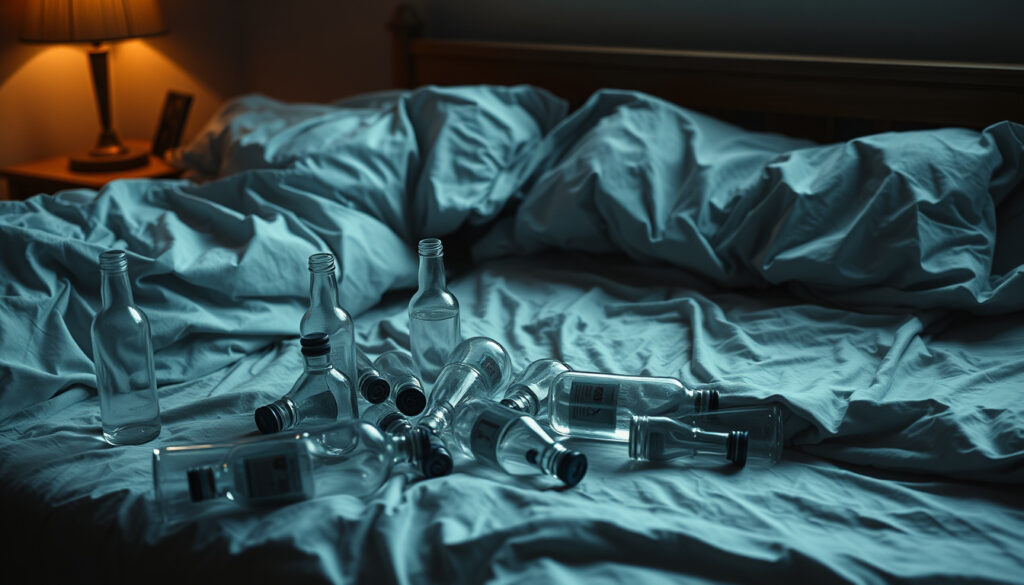
Toxicological analysis revealed a blood alcohol concentration of 416mg per 100ml — equivalent to 0.416%. This was more than five times the UK’s legal driving limit of 80mg per 100ml, according to CBS News. Police Detective Inspector Les Newman reported finding three empty vodka bottles — two large and one small — in her bedroom, per the same source.
Pathologist Suhail Baithun analyzed blood and urine samples showing very large quantities of alcohol, while pathologist Michael Sheaff stated the cause was likely respiratory arrest from alcohol toxification. No illegal drugs were found in her system, and prescribed Librium for alcohol withdrawal played no role in her death, CBS News confirmed.
“Toxicological analysis revealed a level of alcohol commonly associated with fatality.”
— Dr. Shirley Radcliffe, Interim Coroner for Inner North London
What did Amy Winehouse say before she died?
No verified last words from Amy Winehouse herself have been documented in official records or reliable reports. What is known comes from testimony and accounts from people around her.
Last known words
Her bodyguard testified that Winehouse spent her final moments watching YouTube videos of herself while binge drinking, per CBS News on YouTube. This account describes her behavior in the hours before she was found dead, though not her final words.
According to New Statesman, a doctor clarified that Winehouse had specifically stated she did not want to die — though this was a general statement about her wishes, not a documented final utterance.
Numerous online posts claim to have her “last words,” but none trace back to verified sources or official proceedings. The inquest focused on toxicology and circumstances, not final conversations.
Context of final days
Winehouse had reportedly stopped drinking for nearly two weeks before the incident and had expressed a desire to quit, according to bodyguard testimony on YouTube. She had resumed drinking — a pattern coroners noted contributed to the fatal outcome. Security guard testimony placed the discovery of her body on July 23, 2011, with police called that day.
Could Amy Winehouse have survived?
The medical evidence suggests that Winehouse’s death was preventable under different circumstances. Her BAC of 416mg/100ml represented a level that, in Dr. Radcliffe’s words, was “commonly associated with fatality.”
Factors in death
Winehouse had been abstinent for approximately two weeks before drinking again, a situation that can be particularly dangerous. When someone with reduced tolerance resumes heavy drinking, the risk of alcohol poisoning increases significantly because their body has lost its adaptation to processing large amounts of alcohol.
The three vodka bottles found in her bedroom, combined with her resumed drinking after abstinence, point to a binge drinking episode, as noted in testimony from the second inquest. If she had maintained moderation or continued abstinence, medical experts suggest the outcome would likely have been different.
Winehouse’s case illustrates a well-documented danger of recovery: tolerance drops during abstinence, making relapse particularly deadly. Her death was not inevitable — it resulted from a specific set of circumstances that could have been interrupted.
Medical context
Pathologist Michael Sheaff testified that death likely resulted from respiratory arrest due to alcohol toxification, per Entertainment.ie. This occurs when alcohol levels become high enough to suppress the nervous system’s control of breathing. At 416mg/100ml, her body was overwhelmed by the amount consumed.
No signs of injury were found in the initial autopsy, confirming that violence or self-harm played no role. The prescribed Librium she was taking for alcohol withdrawal also played no role in her death, according to CBS News.
How many artists died at 27?
Amy Winehouse joined a group of influential musicians often referred to as the “27 Club” — artists who died at age 27. The concept has become cultural shorthand for the tragically young deaths of rock and blues performers.
27 Club members
Several legendary artists died at 27, though the circumstances varied widely:
- Jimi Hendrix — died September 18, 1970, from choking on vomit after barbiturate overdose
- Brian Jones — died July 3, 1969, drowning in his swimming pool
- Jim Morrison — died July 3, 1971, heart failure in a Paris bathtub
- Janis Joplin — died October 3, 1970, heroin overdose
- Amy Winehouse — died July 23, 2011, alcohol poisoning
Other notable musicians in this group include Kurt Cobain (though he was 27 when he died in 1994, though sources vary slightly), Robert Johnson, and others whose deaths came at various ages.
Not all 27 Club deaths involved the same causes. Winehouse’s was alcohol-specific — notably, her case did not involve illegal drugs, unlike several others in the category.
Amy’s place in it
Winehouse’s death was distinct from many other 27 Club members in that toxicology showed no illegal drugs — only very high levels of alcohol. Her case represents a different pattern of addiction-related mortality, one tied specifically to alcohol rather than the polysubstance abuse that characterized some other deaths in that age group.
Her age of 27 and the timing — following decades of other rock deaths at the same age — made the comparison inevitable in media coverage. However, as New Statesman noted, the specific mechanism of her death was unique among that group.
Did Blake attend Amy’s funeral?
Blake Fielder-Civil, Winehouse’s ex-husband, made public statements about their relationship and her death. The question of whether he attended her funeral has circulated in media and public discussion.
Ex-husband’s statements
Fielder-Civil spoke publicly about his relationship with Winehouse and her struggles with alcohol. According to various reports, he acknowledged their turbulent history and expressed grief over her death.
While detailed accounts of funeral attendance are limited in the verified sources, what is documented is that Winehouse’s family did not attend the second inquest hearing in January 2012, as Entertainment.ie reported. Details about specific funeral attendance by individual mourners are not part of the official record.
Funeral details
Winehouse’s funeral took place in London following her death on July 23, 2011. The ceremony was private, with attendance by family and close friends. Public details about the guest list are limited in official sources.
What the official record confirms is that no suspicious circumstances or criminal negligence was involved in her death, per Entertainment.ie. The inquest focused on establishing cause and circumstances, not on personal relationships or funeral attendance details.
Public fascination with who attended her funeral reflects the broader interest in Winehouse’s personal life — but the official inquest record is largely silent on this, focusing instead on medical and procedural facts.
Timeline of events
Five key dates frame the official investigation into Amy Winehouse’s death, from discovery through the final legal confirmation.
| Date | Event | Source |
|---|---|---|
| July 23, 2011 | Amy Winehouse found dead in her Camden apartment | Diffuser.fm |
| October 2011 | First inquest concludes “death by misadventure” | Global News |
| November 2011 | Coroner Suzanne Greenaway resigns after qualifications questioned | Global News |
| December 2011 | New inquest ordered by Camden borough | Diffuser.fm |
| January 8, 2012 | Second inquest confirms same verdict: alcohol poisoning | Entertainment.ie |
The implication: The legal record shows two separate investigations reaching identical conclusions, despite procedural complications that delayed final confirmation by months.
Confirmed facts versus rumors
The public discussion around Winehouse’s death has generated both accurate information and persistent myths. Here’s how the official record separates fact from speculation.
What the evidence confirms
- Alcohol poisoning was the cause of death, confirmed by two inquests
- Blood alcohol level was 416mg/100ml — five times the legal driving limit
- No illegal drugs were found in her system
- She had stopped drinking for nearly two weeks before resuming
- The first coroner was unqualified; her appointment by her husband led to annulment
- No criminal negligence or suspicious circumstances were found
What remains unclear or unverified
- Any specific “last words” she may have spoken
- The precise timeline of when she resumed drinking
- Whether she had been eating or had other factors affecting absorption
- Details about personal relationships at the time of her death
Expert perspectives
Two coroners provided official assessments of Winehouse’s death, with the second inquest’s interim coroner offering the most widely reported summary.
“The unintended consequence of such potentially fatal levels of alcohol was her sudden and unexpected death.”
— Suzanne Greenaway, First Coroner for Inner North London
“Toxicological analysis revealed a level of alcohol commonly associated with fatality.”
— Dr. Shirley Radcliffe, Interim Coroner for Inner North London
Both coroners described her death as accidental — “death by misadventure” in British legal terminology — with no evidence of intent or third-party involvement.
Related reading: celebrity scandals · celebrity health transformations
Two inquests confirmed alcohol poisoning with BAC 416mg/100ml as the sole cause in her Camden flat, matching the official inquest timeline.
Frequently asked questions
These questions reflect the most common searches about Winehouse’s death, answered using verified inquest records and credible sources.
What disability did Amy Winehouse have?
Winehouse was open about her struggles with alcohol and bulimia. She had sought treatment for these conditions, though detailed medical records are not publicly available.
Who inherited Amy Winehouse’s money?
Winehouse’s estate was inherited according to her will. Her father, Mitch Winehouse, was among those involved in managing her legacy and estate matters following her death.
How much did Amy Winehouse weigh when she died?
Specific weight measurements at the time of her death are not part of the public inquest record. The official proceedings focused on toxicology and cause of death, not physical measurements.
What happened at Amy Winehouse’s last performance?
Winehouse’s final performances were in the weeks before her death. Media reports described her as increasingly unwell, with cancellations and visible deterioration, though specific setlists or performances are not detailed in the inquest record.
Did Amy Winehouse have children?
Amy Winehouse did not have children. She was married to Blake Fielder-Civil from 2007 to 2009, but the marriage ended without children.
Who was Amy Winehouse’s husband?
Blake Fielder-Civil was Winehouse’s ex-husband. They married in 2007 and divorced in 2009. He spoke publicly about their relationship and her struggles following her death.
Was Amy Winehouse’s death related to drugs?
No. Toxicology reports confirmed no illegal drugs were in her system. The cause was alcohol poisoning specifically — her BAC of 416mg/100ml was lethal on its own.
More related posts
 Best Water Filter System for Home: Reviews & Buying Guide
 White Sox vs Dodgers 2026: Score, Odds, Tickets & Team Facts
 Houston Rockets vs Denver Nuggets Match Player Stats
 Bacon in Air Fryer: Times, Tips & Temperatures
 Black Mirror Beyond the Sea Ending Explained
 McDonald’s $5 Meal Deal – Contents, Availability and 2025 Updates
 Nancy Guthrie Breaking News: Disappearance Update 2026
 Cast of Squid Game: Full Season 1, 2 & 3 Actor Guide