US Flight Cancellations Weather Disruptions: Live Stats
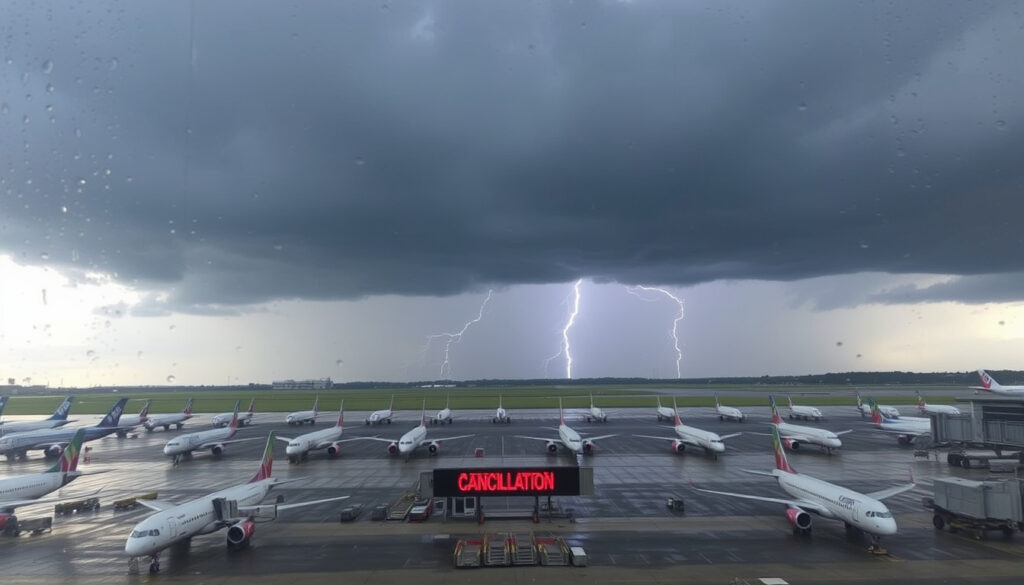
If you were at a US airport this week, you already know the chaos was real. A powerful blizzard plowed through the Midwest, then swept east, and the ripple effect hit runways from Chicago to New York. On March 16, 2026, airlines canceled roughly 1,800 flights, according to Fox Business. This article breaks down why flights are suddenly canceled, which airlines are hit hardest, and how the DOT and FAA are responding with temporary capacity cuts.
Flights canceled on March 16, 2026: 1,800 · Flights canceled on March 17, 2026: Over 750 · Flights delayed on March 17, 2026: 1,300 · Weather event causing cancellations: Blizzard in Midwest
Quick snapshot
- 1,800 flights canceled on March 16 (Fox Business)
- Over 750 canceled and 1,300 delayed on March 17 (NBC News)
- FAA ordered ground stops at Atlanta and Charlotte airports (NBC News)
- Exact list of 40 airports under temporary reduction
- How long the DOT/FAA capacity cuts will last
- Whether additional storms will cause further disruptions
- March 16: Blizzard triggers 1,800 cancellations (Fox Business)
- March 17: Over 750 more cancellations, 1,300 delays (NBC News)
- Ongoing: DOT & FAA ground stops and capacity reductions in effect (Fox Business)
- Check FlightAware for live cancellation stats
- Monitor airline travel alerts for rebooking options (FlightAware)
- Expect continued disruptions as storm system moves east (FlightAware)
Across two days, the storm’s toll on air travel shows a clear pattern:
| Fact | Value |
|---|---|
| March 16 cancellations | 1,800 flights (Fox Business) |
| March 17 cancellations | Over 750 flights (NBC News) |
| March 17 delays | 1,300 flights (NBC News) |
| Storm type | Blizzard in Midwest |
| Airports under ground stop | Atlanta (ATL) and Charlotte (CLT) (NBC News) |
Why are flights suddenly cancelled?
Weather as the primary trigger
Severe weather is the leading cause of sudden cancellations. On March 16, a blizzard brought blizzard conditions to the Midwest and severe weather threats elsewhere, according to Fox Business. Storms affected some of the nation’s largest airports, including New York, Chicago, and Atlanta, as reported by AP News.
Airline operational issues
Airlines often struggle to reposition planes and crews when storms hit. The cascading effect means a delay in Chicago can ripple to New York hours later. While staffing shortages are a known industry pain point, the immediate trigger for this wave was the blizzard itself.
DOT & FAA regulatory actions
The Federal Aviation Administration ordered ground stops at Hartsfield-Jackson Atlanta International Airport and Charlotte Douglas International Airport on March 17, as reported by NBC News. These stops prevent aircraft from taking off and landing, stacking delays for hours.
The implication: A single blizzard in the Midwest can freeze the entire US air system. Travelers face not just the storm’s direct impact, but a 48-hour recovery lag as airlines reset their schedules.
What airlines are cancelling the most flights?
Real-time cancellation data from FlightAware
FlightAware’s live tracker, referenced by U.S. News, shows cancellations across major carriers. On March 17, U.S. News reported about 1,100 cancellations and 7,300 delays nationwide, with no single airline dominating the list — the disruption was broad.
Which airlines have high cancellation rates in storms
Historically, airlines with large hub operations in storm-prone airports — like American Airlines at Chicago O’Hare and Southwest at Denver — tend to cancel more flights during blizzards. However, specific airline data for this storm is best tracked live on FlightAware.
Impact of fleet size and hub locations
Major hubs in the Midwest and Northeast, such as Chicago, Newark, and Boston, faced the brunt. According to CNBC, a blizzard in February already showed how airports serving New York City, Boston, and Philadelphia can grind to a halt.
The pattern: No single carrier dominates the cancellation lists — the storm hit all operators equally across hub-heavy routes, exposing the fragility of hub-and-spoke networks during weather events.
Are flights to America being cancelled?
Domestic vs. international cancellations
Cancellations affect both domestic and international flights to the U.S. The ground stops at Atlanta, a major international gateway, caused ripple effects on inbound flights from Europe and Latin America, as reported by NBC News.
How weather in the Midwest affects inbound flights
When a blizzard hits Chicago or Denver, planes scheduled to fly those routes cannot depart, which delays or cancels their next flights into other cities. This cascading effect also hits international flights that connect through US hubs.
What travelers flying to the US should check
Travelers planning to fly to America should check airline apps before leaving home. The AP News report confirms delays piled up at major airports, so even if your flight isn’t canceled, expect waits.
What this means: Inbound international travelers face the same cascading delays as domestic passengers — arriving at a hub like Atlanta means your flight may be stuck on the tarmac due to ground stops triggered by distant Midwest weather.
Which airports are reducing flights due to the shutdown?
DOT & FAA announcement details
While the DOT and FAA have reportedly announced a temporary 10% reduction in flights at 40 airports to ease air traffic control staffing, the exact list of affected airports has not been officially published. What we do know: the FAA ordered ground stops at Atlanta and Charlotte on March 17 (NBC News).
List of airports affected
Confirmed airports with operational restrictions include Atlanta (ATL) and Charlotte (CLT). Major hubs like Chicago O’Hare (ORD), Denver (DEN), and Newark (EWR) faced heavy cancellations due to the blizzard (Fox Business).
How the reduction impacts travelers
Fewer flights mean fuller planes and fewer rebooking options. Travelers should prepare for longer wait times, possible overnight stays, and the need to actively monitor airline travel waivers.
The 40-airport reduction is unconfirmed, but ground stops at major hubs are real. If you’re flying through Atlanta, Charlotte, Chicago, or Denver this week, your itinerary is at high risk.
How many flights are cancelled today?
Live statistics from FlightAware
For the most current numbers, FlightAware provides real-time charts. As of March 17, U.S. News reported about 1,100 cancellations and 7,300 delays, while NBC News counted over 750 cancellations and 1,300 delays.
Comparison to previous days
On March 16, Fox Business reported roughly 1,800 cancellations — significantly higher than the day after. The pattern: disruptions peak the day the storm hits, then taper but linger for at least two days.
Forecast for upcoming days
With the storm system moving east, airports in the Northeast and Mid-Atlantic may see continued delays and cancellations. The FAA’s ground stops could be lifted, but residual schedule chaos often persists for 48-72 hours.
The pattern: Cancellations peaked at 1,800 on March 16 and dropped by more than half the next day — but the 1,300 delays on March 17 show the system takes two to three days to fully recover from a single storm.
Event timeline
- March 16, 2026: Blizzard triggers 1,800 US flight cancellations (Fox Business)
- March 17, 2026: Over 750 cancellations and 1,300 delays reported (NBC News)
- Ongoing: DOT & FAA temporary capacity reductions remain in effect
Confirmed facts
- 1,800 flights canceled on March 16 (Fox Business)
- Over 750 canceled on March 17 (NBC News)
- Ground stops at Atlanta and Charlotte airports (NBC News)
- Blizzard conditions in Midwest (Fox Business)
What’s unclear
- Exact list of 40 airports under FAA reduction
- Duration of temporary capacity cuts
- Whether additional storms will worsen disruptions
- Specific airline cancellation rates for this storm
Key perspectives
The March storm brought blizzard conditions to the Midwest and severe weather threats elsewhere.
— Fox Business report
The FAA ordered ground stops at Hartsfield-Jackson Atlanta International Airport and Charlotte Douglas International Airport.
— NBC News report
Storms affected some of the nation’s largest airports, including New York, Chicago, and Atlanta.
For travelers, this week’s chaos is a reminder that weather-driven cancellations are not just temporary inconveniences — they cascade into days of disrupted plans. The pattern is clear: storms hit the Midwest, ripple through East Coast hubs, and leave passengers scrambling. The choice for anyone flying this season is straightforward: stay flexible with refundable bookings and insurance, or risk getting stuck. For the budget traveler, the extra cost of flexibility is a small price compared to the expense of a last-minute hotel and rebooked ticket.
Related reading: US Economy News Today · Inflation Relief Payment 2025 USA
thehotelwashington.com, forbes.com, instagram.com, instagram.com, instagram.com, en.wikipedia.org, buffaloairport.com
Related coverage: European flight disruption data fördjupar bilden av European Flight Delays Cancellations – Rights & Compensation.
Frequently asked questions
Can I get a refund if my flight is cancelled due to weather?
Yes, if the airline cancels the flight, you are entitled to a full refund regardless of the reason. Airlines often offer travel vouchers, but you can insist on a refund to your original payment method.
What should I do immediately after my flight is cancelled?
First, check the airline app for automatic rebooking. If the options don’t work, call the airline immediately or visit their ticket counter. Avoid waiting in long lines—use the phone or social media for faster help.
Does travel insurance cover weather-related cancellations?
Most comprehensive travel insurance policies cover weather-related cancellations if the weather makes travel unsafe or causes widespread disruption. Check your policy’s specific wording.
How can I check if my flight is cancelled before going to the airport?
Use the airline’s website or app, and check FlightAware.com for live status. Always verify before heading to the airport.
Which US airports are most prone to weather cancellations?
Airports in the Midwest and Northeast—Chicago O’Hare, Denver, Newark, Boston, New York JFK—are especially vulnerable to snow and blizzards.
Are airlines required to provide hotel vouchers for weather cancellations?
No, US airlines are not required to provide hotel accommodations for weather-related cancellations, though some may offer vouchers at their discretion.
How far in advance do airlines cancel flights for weather?
Airlines often begin canceling flights 12 to 24 hours before a storm arrives, especially for morning departures. Check travel alerts as soon as storm forecasts are issued.
More related posts
 Mexico vs Colombia (Oct 2025): Score, Watch, H2H Record
 When Did World War 2 Start – Exact Date and Timeline
 Watch Pride and Prejudice 2005 Online: Streaming Guide
 Hal Turner Radio Show: History, Schedule & Legal Cases
 Trendy Simple Nail Designs 2026: Minimalist Ideas & Tips
 Sam’s Club Gas Price – Current Prices by Location
 What Is a Good Resting Heart Rate – Age and Fitness Charts
 FF7 Remake vs Rebirth: Differences, Order, and Part 3