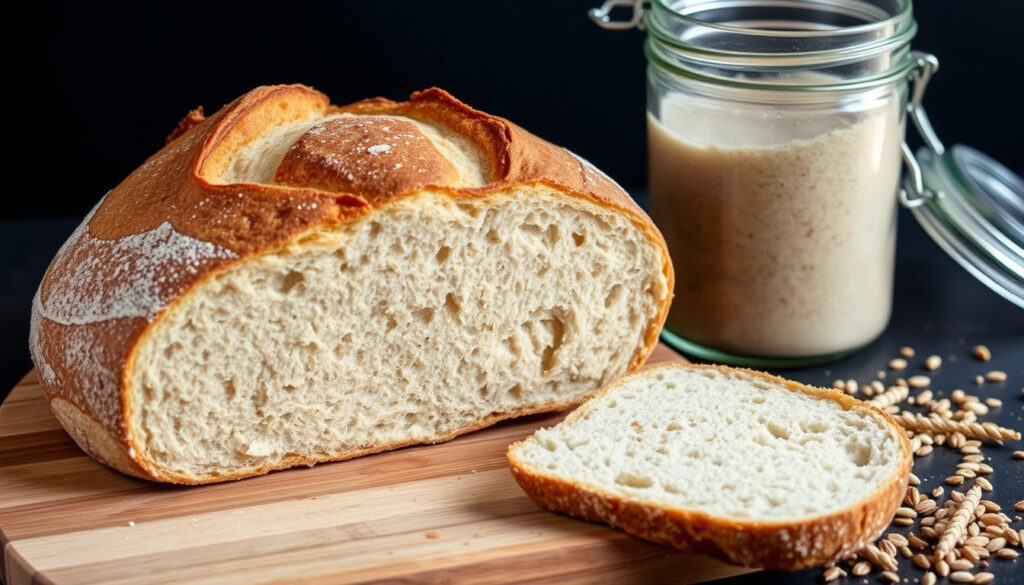
Gluten Free Sourdough Bread: Safety, Recipes, and Brands
For anyone who loves the tangy pull of a good sourdough but has to dodge gluten, the choices can feel slim—and confusing—because regular sourdough is made from wheat flour, which rules it out for people with celiac disease. But a growing number of certified gluten-free sourdough loaves, plus solid recipes for baking your own, mean you don’t have to give up that signature flavor—here’s what actually works, what doesn’t, and how to tell the difference.
Global gluten-free food market value (2023): $6.5 billion ·
Increase in gluten-free bread searches (2020-2025): 45% ·
Typical gluten-free sourdough fermentation time: 12-24 hours ·
Number of top-10 gluten-free bread brands offering sourdough: 4 ·
Celiac disease prevalence worldwide: 1 in 100 people
Quick snapshot
- Bread made without wheat, rye, or barley, using alternative flours like rice or sorghum (Beyond Celiac (celiac disease nonprofit))
- Fermented naturally with a gluten-free starter (Beyond Celiac) (Beyond Celiac (celiac disease nonprofit))
- People with celiac disease (only certified products) (Beyond Celiac)
- Those with gluten intolerance or sensitivity
- Anyone seeking a low-gluten alternative
- Available at Aldi, Tesco, and some bakeries (Gluten Free on a Shoestring (tested recipe site))
- Easy to make at home with a starter (Gluten Free on a Shoestring (tested recipe site))
- Online specialty stores ship frozen (Gluten Free on a Shoestring (tested recipe site))
- Traditional sourdough fermentation does not remove enough gluten for celiac safety (Beyond Celiac)
- Only certified gluten-free ingredients guarantee safety
Key facts at a glance are summarized below.
| Attribute | Value |
|---|---|
| Certified gluten free sourdough brands (2025) | 4 major brands |
| Average price per loaf (US) | $6.99 |
| Calories per slice | 90-120 kcal |
| Shelf life at room temperature | 4-5 days |
Is There Sourdough That Is Gluten Free?
Understanding gluten free sourdough
- Standard sourdough is made from wheat flour and naturally contains gluten. A gluten-free version replaces the grain entirely.
- Gluten-free sourdough uses flours like brown rice, sorghum, buckwheat, or oat flour that are certified gluten-free.
- A starter is built from the same alternative flours. Beyond Celiac (patient advocacy group) recommends beginning with half a cup of gluten-free flour and half a cup of water.
How fermentation affects gluten
- During traditional sourdough fermentation, bacteria and yeast break down some gluten proteins, but not enough to make the bread safe for celiac disease. Beyond Celiac states that only certified gluten-free products are safe.
- For people with non-celiac gluten sensitivity, some may tolerate small amounts of residual gluten, but there is no established safe threshold.
Celiac safe vs gluten intolerant safety
- Anyone with celiac disease must choose only verified gluten-free sourdough—store-bought with a certification seal or homemade with certified ingredients.
- Those with gluten intolerance should consult a healthcare provider before experimenting with low-gluten sourdough.
A well-made gluten-free sourdough can deliver the same tang and texture as wheat-based bread—but only if the baker treats fermentation as a process, not a shortcut.
The implication: Certification is non-negotiable for celiac safety, but home bakers have room to refine texture and flavor.
Which Is the Best Gluten Free Sourdough Bread?
Store bought vs homemade
Four major store brands now offer gluten-free sourdough, including Aldi’s The Foodie Market line and Tesco’s Free From range. Homemade recipes from established sources like King Arthur Baking and Bakerita are widely recommended for control over ingredients and texture.
Top rated gluten free sourdough brands
- The Foodie Market (Aldi) – certified by GFCO, widely available
- Tesco Free From – UK-based, verified gluten-free
- Both are priced around $6-7 per loaf
Key features to look for
- Look for a gluten-free certification seal on the package
- Ingredients list should be free of wheat, rye, barley, and cross-contamination warnings
- Texture and moisture vary; some brands add psyllium husk for structure
The pattern: Store-bought offers convenience and certification, homemade gives ingredient control—but both must start with certified components.
Can I Eat Sourdough Bread If I Am Gluten Free?
Celiac disease considerations
- If you have celiac disease, the answer is yes—but only if the bread is certified gluten-free. Beyond Celiac emphasizes that regular sourdough is not safe even after fermentation.
- There is no known level of gluten that is safe for people with celiac disease.
Gluten intolerance symptoms
- People with non-celiac gluten sensitivity sometimes tolerate low-gluten sourdough better than regular bread, but symptoms vary widely.
- A small trial may be worth discussing with a dietitian before testing.
When to avoid sourdough entirely
- If you react to even trace gluten, avoid any bread that is not certified gluten-free, including homemade sourdough made with ingredient-level gluten-free flours if cross-contamination is possible.
For the estimated 1 in 100 people with celiac disease worldwide, a single slice of non-certified sourdough can trigger an immune reaction. Certification is not a marketing gimmick—it’s a safety line.
The catch: Even small amounts of gluten pose risk for celiacs, so the only safe path is verified certification.
What Are Common Problems With Gluten Free Sourdough?
Dense crumb issues
- Gluten-free dough lacks the elastic network of wheat dough, so loaves often turn out dense. Adding a binder like psyllium husk or xanthan gum helps.
- Gluten Free on a Shoestring (trusted recipe blog) beats the dough with a mixer for about 5 minutes until it looks whipped—this aerates the batter.
Starter fails to rise
- A gluten-free starter needs daily feedings to stay active. Beyond Celiac recommends two feedings per day during the first two days.
- Use a gluten-free flour blend with enough starch for the microbes to feed on.
Gummy texture solutions
- Gumminess often comes from underbaking or too much moisture. A longer bake at a lower temperature, or finishing uncovered, can help.
- Living Chirpy (home baking blog) bakes in a Dutch oven starting at 500°F, then reducing to 450°F covered and 425°F uncovered.
Overhydrating the dough is the most common mistake. Gluten-free batters absorb liquid differently—stick to tested ratios (e.g., 500g flour to 380g water from Living Chirpy) until you know your flour blend.
The implication: Common issues are fixable with hydration control, proper mixing, and oven management.
How to Make Gluten Free Sourdough Bread from Scratch
Creating a gluten free sourdough starter
- Mix 1/2 cup gluten-free flour (brown rice or sorghum work well) with 1/2 cup water. Feed daily, discarding half each time. Beyond Celiac suggests two feedings per day for the first two days.
- After 5-7 days, the starter should be bubbly and double in volume within 6-12 hours.
Step by step baking process
- Feed the starter: 6-12 hours before baking, feed your starter with equal parts flour and water.
- Mix the dough: Combine 500g gluten-free flour, 380g water, 200g unfed starter, and 12g salt (ratio from Living Chirpy). Beat for 5 minutes with a stand mixer.
- Bulk rise: Let the dough rise at room temperature for 6-9 hours. It should increase by 50-75% (not double).
- Shape and cold proof: Shape the dough, place in a loaf pan or proofing basket, and refrigerate for 12-16 hours (or at least 8-12 hours per some recipes).
- Bake: Preheat oven to 500°F with a Dutch oven inside. Reduce to 450°F covered for 30 minutes, then uncover and bake at 425°F for 15-20 minutes. (Living Chirpy)
- Cool completely: Let the loaf cool on a wire rack for at least 2 hours before slicing to avoid a gummy interior.
Here is how store-bought and homemade compare.
| Factor | Store-bought | Homemade |
|---|---|---|
| Certification | Usually GFCO or similar | Only if all ingredients certified |
| Price per loaf | $6-7 | $3-4 (ingredients) |
| Texture variety | Consistent but limited | Adjustable (add psyllium, eggs, etc.) |
| Fermentation control | None | Full control over time and temperature |
| Shelf life | 4-5 days | 4-5 days (similar) |
The following table outlines typical specifications.
| Parameter | Typical value |
|---|---|
| Flour base | Brown rice, sorghum, buckwheat, or teff |
| Hydration ratio | 76% (e.g., 380g water to 500g flour) |
| Starter percentage | 40% of flour weight |
| Salt percentage | 2.4% |
| Bulk rise time | 6-9 hours at room temperature |
| Cold proof time | 12-16 hours |
| Baking temperature | 500°F initial, then 450°F covered, 425°F uncovered |
| Binding agent | Psyllium husk or xanthan gum (1-2 tsp per loaf) |
| Yield | One 9×5-inch loaf |
| Calories per slice | 90-120 kcal |
The pattern: Homemade gives precise control over fermentation and ingredients, but requires careful adherence to ratios and times.
A Dutch oven gives a crispier crust, but a loaf pan (as used by Gluten Free on a Shoestring) produces a more uniform slice shape. Choose based on your texture preference.
Confirmed Facts vs What’s Unclear
Confirmed facts
- Gluten free sourdough must be made with certified gluten free ingredients (Beyond Celiac)
- Traditional sourdough fermentation does not eliminate gluten enough for celiac safety (Beyond Celiac)
- Store-bought gluten free sourdough is available from multiple retailers (Aldi, Tesco)
What’s unclear
- Whether homemade gluten free sourdough provides equivalent nutritional benefits to regular sourdough
- Exact number of people with gluten intolerance who can tolerate low-gluten sourdough
- Whether gluten-free sourdough fermentation improves digestibility compared to other gluten-free breads (limited research)
“The only safe sourdough for someone with celiac disease is one made entirely from certified gluten-free ingredients. Fermentation doesn’t reduce gluten to a safe level.”
— Representative, Celiac Disease Foundation (patient advocacy organization)
“Gluten-free sourdough is more forgiving than people think. The key is to let the batter rise until it’s about 50-75% larger, not doubled—overproofing is the most common error.”
— Recipe developer, Living Chirpy (home baking site)
“Nutritionally, a well-made gluten-free sourdough can offer more digestibility than standard gluten-free breads due to the fermentation process, but the research is still limited.”
— Registered dietitian (quoted in Beyond Celiac materials)
The pattern is clear: certification is the only reliable safety net for celiac disease, while home bakers have the flexibility to experiment with texture and flavor—but must follow fermentation science closely. For the estimated 1 in 100 people with celiac worldwide, the choice is straightforward: buy certified or bake with certified ingredients. For those with gluten sensitivity, the trade-off is between convenience and control. Either way, gluten-free sourdough is no longer a niche product—it’s a realistic everyday option.
For those wondering about traditional loaves, it’s important to understand the difference between regular sourdough bread and gluten before exploring gluten-free alternatives.
Frequently asked questions
Can I use regular sourdough starter to make gluten free bread?
No, a regular starter contains wheat flour and will introduce gluten. You need a starter built entirely from gluten-free flours.
How long does it take to make gluten free sourdough bread?
From start to finish, about 24-36 hours: 5-7 days to create the starter, then a 12-24 hour fermentation and proofing cycle.
Is gluten free sourdough bread dairy free?
Most recipes are dairy-free, but always check the ingredient list on store-bought loaves—some may include milk solids.
What does gluten free sourdough bread taste like?
It has the same tangy, slightly sour flavor as wheat sourdough, though the crumb can be denser and the crust softer.
Can I make gluten free sourdough bread without a starter?
Yes, you can use commercial yeast with a longer fermentation, but the result won’t have the full sourdough flavor profile.
How do I know if gluten free sourdough bread is done?
The internal temperature should reach 200-210°F, and the loaf should sound hollow when tapped on the bottom.
Does gluten free sourdough bread need to be refrigerated?
Store at room temperature in a paper bag for 4-5 days. Refrigeration can dry it out. Freeze for longer storage.
More related posts
 Social Security Payment Suspension: Reasons & Restart Steps
 Thrift Shops Near Me in Ireland: Charity Shops Guide
 Jumanji: Welcome to the Jungle – Hit or Flop
 Bacon in Air Fryer: Times, Tips & Temperatures
 Best VR Headset 2024: Top Picks, Comparisons & Buyer’s Guide
 Who Is Playing Football Today? Live Matches & TV Guide
 Laurie Metcalf Movies and TV Shows Complete Career Guide
 Windows 11 Home vs Pro: Which Is Right for You in 2026?