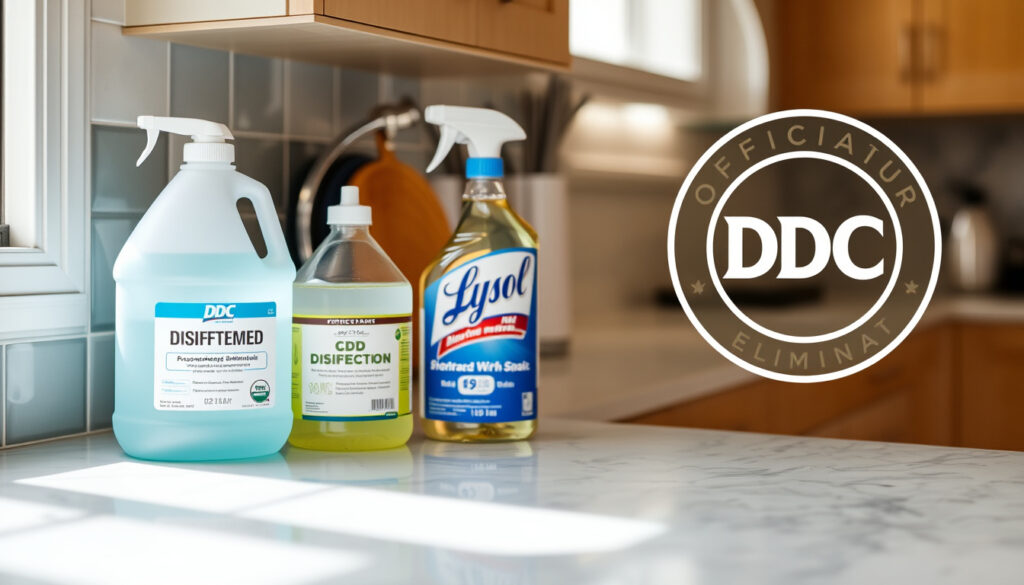
What Kills Stomach Virus – CDC-Recommended Disinfectants
When a stomach virus sweeps through a household, knowing which products actually eliminate it becomes critical. Norovirus, the leading cause of viral gastroenteritis, can survive on surfaces for days or even weeks, making effective disinfection essential for stopping its spread. This guide examines what kills stomach virus on surfaces, which bleach concentrations work best, and how to protect your home during an outbreak.
Unlike bacterial infections, viral gastroenteritis cannot be treated with antibiotics. Treatment focuses on supportive care, primarily preventing dehydration through fluid replacement. Understanding proper disinfection methods remains the most effective way to limit transmission within families and communities, particularly in shared living spaces where one infected person can quickly spread the illness to others.
Health authorities including the CDC and EPA have established clear guidelines for eliminating norovirus from surfaces. Research published in peer-reviewed journals has identified specific disinfectant concentrations and contact times required to inactivate this particularly resilient virus, which requires approximately 1,000 times more chlorine than other common pathogens to eliminate.
What Kills Stomach Virus on Surfaces?
Chlorine bleach solutions consistently prove most effective against norovirus, according to the CDC’s primary recommendations for outbreak situations. The concentration required varies significantly depending on the surface type being treated. Bleach works by disrupting the virus’s protein shell, effectively rendering it non-infectious when applied at the correct strength and left for the appropriate contact time.
Key insights from public health research reveal several critical points. Norovirus requires roughly 1,000 times more chlorine than many other pathogens to achieve disinfection, making standard cleaners inadequate. Supportive care through proper hydration represents the primary treatment approach for those already infected. The virus can survive on surfaces for seven days or longer, creating ongoing transmission risks. Handwashing with soap and water proves more effective than alcohol-based hand sanitizers against norovirus. Importantly, antibiotics have no effect on viral gastroenteritis since the infection is viral, not bacterial.
Surface survival data and transmission characteristics underscore why disinfection matters. Understanding these facts helps households prioritize their cleaning efforts during an outbreak.
| Fact | Detail | Source Type |
|---|---|---|
| Common Cause | Norovirus/Rotavirus | CDC |
| Incubation Period | 12-48 hours | Medical |
| Contagious Period | 2 weeks post-recovery | Health Org |
| Surface Survival | Days to weeks | Studies |
| Chlorine Requirement | 1000x more than other pathogens | Research |
| Recovery Timeline | 1-3 days typically | Medical |
Does Bleach Kill Stomach Virus?
Yes, bleach effectively kills stomach virus when used at the correct concentration. The CDC recommends chlorine bleach solutions ranging from 1,000 to 5,000 parts per million (ppm) available chlorine for most applications. This level of concentration far exceeds what standard household cleaning products provide, which explains why many everyday disinfectants fail to eliminate norovirus.
For food contact items and toys, a weaker solution of 200 ppm works adequately—one tablespoon of bleach per gallon of water achieves this concentration. Most non-porous household surfaces require 1,000 ppm, achieved by mixing one-third cup of bleach per gallon of water. Heavily contaminated non-porous surfaces and porous materials like wooden floors demand the strongest concentration at 5,000 ppm, which equals roughly one and two-thirds cups of bleach per gallon of water.
Contact time matters as much as concentration. All bleach solutions require 10 to 20 minutes of wet contact on surfaces before rinsing, ensuring the disinfectant has sufficient time to inactivate the virus. Surfaces must be clean before application since organic matter interferes with bleach’s effectiveness.
Does Lysol Kill Norovirus?
Standard Lysol products are not guaranteed to eliminate norovirus, but specific EPA-registered Lysol formulations have demonstrated effectiveness. The EPA maintains a list of approved antimicrobial products effective against norovirus, which includes certain Lysol products when used according to label directions.
Research has shown that bleach disinfects norovirus more effectively than quaternary ammonium-based products, which form the base of many standard disinfectant sprays. When selecting Lysol or similar products, look for EPA registration numbers confirming the product has been tested against norovirus specifically.
Does Alcohol Kill Stomach Virus?
Alcohol-based hand sanitizers and surface cleaners are not reliably effective against norovirus. The virus lacks the lipid envelope that alcohol can disrupt, making standard alcohol concentrations insufficient for inactivation. While alcohol may reduce some pathogens on hands, it cannot be depended upon to eliminate stomach virus contamination from surfaces.
The CDC advises thorough handwashing with soap and running water as the primary method for hand hygiene during norovirus outbreaks, rather than relying on alcohol-based sanitizers. Soap mechanically removes the virus from hands, while alcohol lacks the capacity to penetrate and destroy norovirus particles effectively.
Never mix bleach with other cleaners, solutions, or chemicals as this creates poisonous gases that could cause serious injury or death. Always ensure proper ventilation when using bleach solutions. Prepare fresh solutions daily, as bleach loses effectiveness after 30 days once opened.
How Do You Get Rid of a Stomach Virus?
Eliminating a stomach virus from your body requires time and supportive care rather than medication. Since antibiotics have no effect on viral infections, treatment focuses on managing symptoms and preventing dehydration. Most healthy adults recover within one to three days, though young children, elderly individuals, and those with compromised immune systems face higher risks of complications from fluid loss. Consulting Primary Care Doctors Near Me is advisable for anyone showing signs of severe dehydration during illness.
The fastest approach involves aggressive rehydration using oral rehydration solutions, clear broths, or electrolyte beverages. Bland foods like toast, rice, bananas, and applesauce can help maintain nutrition once vomiting subsides. Rest is essential, allowing the immune system to fight the infection effectively.
Isolation remains critical during illness and for 48 hours after symptoms resolve. Norovirus continues shedding in stool for up to two weeks following recovery, meaning infected individuals can transmit the virus long after feeling better. This extended contagious period explains why outbreaks in households, schools, and healthcare facilities can persist for extended periods despite cleaning efforts.
What Disinfectant Kills Norovirus?
Beyond bleach, several EPA-registered alternatives have demonstrated effectiveness against norovirus. Hydrogen peroxide products offer a viable option for those seeking alternatives to chlorine bleach. Products containing 5% hydrogen peroxide have shown efficacy against norovirus in testing, with brands like Oxy-1 RTU and Sanosil S010 appearing on EPA-approved lists.
Quaternary ammonium-based disinfectants can work against norovirus when formulated specifically for that purpose. Lysol Disinfectant Max Cover Mist falls into this category but requires careful label verification to confirm norovirus claims. Glutaraldehyde at 0.5% concentration and iodine at 0.8% mixed per manufacturer recommendations also provide effective alternatives.
Phenolic disinfectants such as Lysol or Pinesol at two to four times the manufacturer’s recommended concentration for corrodible surfaces have shown effectiveness, though the increased concentration raises safety considerations for food contact surfaces. Heat disinfection through pasteurization at 140°F (60°C) has been used successfully under laboratory conditions for laundry and washable items.
Effective disinfection follows a specific sequence: first remove visible vomit or stool carefully, then clean surfaces with soapy water to eliminate organic material, apply chlorine bleach solution at appropriate concentration, allow surfaces to air dry during the required 10-20 minute contact time, and finally rinse thoroughly with clean water before allowing surfaces to dry completely.
How Long Does the Stomach Virus Live on Surfaces?
Norovirus demonstrates remarkable persistence on environmental surfaces, remaining infectious for extended periods under normal conditions. Research indicates the virus can survive on surfaces for days to weeks, depending on surface type, temperature, and humidity levels. This durability explains why norovirus outbreaks prove so difficult to contain in shared environments.
Non-porous surfaces like stainless steel, plastic, and glass tend to harbor the virus longer than porous materials. On hard surfaces at room temperature, norovirus can remain viable for up to seven days or longer. The virus survives better in cool, moist environments and can withstand freezing temperatures, though heat above 140°F eventually inactivates it.
High-Risk Areas Requiring Focus
Enhanced cleaning protocols should prioritize high-traffic areas and frequently touched surfaces throughout the home. Door handles accumulate germs from every person who enters or leaves, making them primary targets during outbreaks. Light switches, elevator buttons, handrails, and telephones similarly demand consistent attention.
Kitchen surfaces present particular concern given food preparation activities. Bathroom fixtures, remote controls, shared electronics, and children’s toys require regular disinfection during illness. Soft furnishings like couches and carpets are more difficult to disinfect effectively but still warrant attention with appropriate cleaning methods.
Norovirus Infection Timeline
Understanding the progression of norovirus infection helps households plan appropriate responses and isolation periods. The timeline from exposure through recovery involves distinct phases requiring different precautions.
- Exposure (0 hours): Virus enters through contaminated hands, food, water, or surfaces. Person-to-person transmission occurs readily through the fecal-oral route.
- Symptoms emerge (12-48 hours): Incubation period varies but typically produces sudden onset of nausea, vomiting, diarrhea, and abdominal cramping.
- Peak illness (24-72 hours): Symptoms are most severe during this window, with frequent vomiting and diarrhea creating high contamination risk.
- Recovery phase (1-3 days): Symptoms gradually subside as the immune system gains control. Appetite returns gradually.
- Continued shedding (up to 2 weeks): Virus continues shedding in stool for 14 or more days after symptoms resolve, requiring continued hygiene precautions.
Healthcare facilities often maintain isolation precautions for at least 48 hours after symptoms resolve specifically because of this extended shedding period. Households should maintain rigorous handwashing and surface disinfection practices throughout this entire window to prevent secondary infections among family members.
What Works, What Doesn’t, and What to Avoid
Distinguishing proven methods from unproven remedies and practices to avoid helps households make informed decisions during norovirus outbreaks. Research from health authorities and peer-reviewed studies provides clear guidance.
| Category | Methods and Products |
|---|---|
| Proven Effective | Bleach dilutions (1,000-5,000 ppm), heat washing at 140°F+, EPA-registered norovirus products, thorough handwashing with soap |
| Unproven/Questionable | Essential oils alone, vinegar solutions without bleach, standard alcohol-based sanitizers, most “natural” disinfectants marketed for general cleaning |
| Avoid/Do Not Use | Antibiotics (viral, not bacterial), low-concentration alcohol sanitizers alone, mixing bleach with ammonia or other cleaners, using expired bleach solutions |
Antibiotics specifically target bacterial infections and have no activity against viruses like norovirus. Taking antibiotics during viral gastroenteritis wastes the medication, risks side effects, and contributes to antibiotic resistance without providing any benefit. Similarly, low-concentration alcohol sanitizers provide false reassurance against norovirus specifically.
While comprehensive surface disinfection reduces transmission risk, it does not replace the need for proper hand hygiene and isolation precautions. Even perfectly cleaned surfaces can become recontaminated from infected individuals shedding virus. A multi-layered approach combining all prevention methods provides the best protection.
Understanding Norovirus Transmission and Why Standard Cleaners Fail
Norovirus differs fundamentally from common bacterial pathogens in its structure and resilience. The virus lacks a lipid envelope that many disinfectants target, making standard alcohol-based and quaternary ammonium products less effective. Its genetic material sits within a protein shell that requires specific conditions to inactivate.
Transmission occurs primarily through the fecal-oral route, either directly person-to-person or through contaminated food, water, and surfaces. The virus produces massive quantities—up to 100 billion viral particles during infection—with as few as 18 particles capable of causing infection in half of exposed individuals. This low infectious dose explains why norovirus spreads so readily despite cleaning efforts.
Vomiting episodes generate aerosolized particles that can contaminate surfaces throughout a room, landing on food preparation areas, ventilation systems, and high-touch surfaces far from the original source. This aerosol spread helps explain why outbreaks in cruise ships, schools, and healthcare facilities prove so difficult to contain.
Expert Guidance on Disinfection Practices
“Bleach solution of 1,000–5,000 ppm available chlorine is required for effective norovirus disinfection.”
— CDC Norovirus Prevention Guidelines
“Norovirus is resistant to many disinfectants and cleaning products that work well against other pathogens.”
— EPA Registered Antimicrobial Products Guidance
The World Health Organization provides international surveillance and outbreak response guidance for norovirus, recognizing its global health impact. Their fact sheets emphasize that no vaccine currently exists for norovirus prevention, making non-pharmaceutical interventions like disinfection and isolation the primary prevention tools available.
Summary
Eliminating stomach virus from household surfaces requires understanding that standard cleaning products are inadequate. Chlorine bleach at 1,000 to 5,000 ppm concentration, applied for 10 to 20 minutes contact time, represents the CDC’s primary recommendation. EPA-registered hydrogen peroxide products and certain quaternary ammonium formulations offer alternatives when bleach cannot be used. Alcohol-based sanitizers alone cannot be relied upon for norovirus disinfection. Proper surface cleaning with soap and water must precede disinfection to ensure product effectiveness. Thorough handwashing with soap remains more effective than hand sanitizers for personal hygiene during outbreaks. Recovery takes one to three days, but infected individuals remain contagious for up to two weeks following symptom resolution.
Those experiencing severe symptoms, particularly young children, elderly individuals, or anyone showing signs of dangerous dehydration, should seek professional medical guidance. Primary Care Doctors Near Me can provide essential support for vulnerable populations during norovirus outbreaks.
Frequently Asked Questions
Does Lysol kill norovirus?
Only EPA-registered Lysol products specifically tested for norovirus effectiveness should be used. Standard Lysol products are not guaranteed to eliminate norovirus.
Does alcohol kill stomach virus?
Standard alcohol-based sanitizers are not reliably effective against norovirus. Alcohol lacks the ability to penetrate norovirus’s protein shell effectively.
What disinfectant kills norovirus?
EPA-registered products specifically tested for norovirus effectiveness kill the virus. Chlorine bleach at proper concentrations remains the most reliable option.
How long does norovirus survive on surfaces?
Norovirus can remain infectious on surfaces for days to weeks, depending on surface type and environmental conditions. Porous and non-porous surfaces both pose transmission risks.
What is the fastest way to get rid of stomach virus?
Supportive care focusing on hydration with oral rehydration solutions represents the primary treatment. Most healthy adults recover within one to three days with proper rest and fluid intake.
Can you get nutritional support during recovery?
Gradually reintroducing bland foods helps maintain nutrition during recovery. Foods like oatmeal provide easily digestible carbohydrates that are gentle on the stomach.
What concentration of bleach kills norovirus?
The CDC recommends 1,000 to 5,000 ppm available chlorine depending on surface type and contamination level. Most household surfaces need 1,000 ppm while heavily contaminated areas require 5,000 ppm.
Why does bleach lose effectiveness over time?
Opened bleach bottles lose active chlorine through interaction with air and light. Solutions remain effective for approximately 30 days after opening, which is why fresh daily preparation is recommended.
More related posts
 A Day to Remember: Biggest Hit, Heaviest Song & Band History
 Let the Right One In: Eli Castration & Gender Ambiguity
 Free STD Testing Near Me – Clinics in Bayonne Area
 Immigration Lawyer Near Me: Costs & Free Advice
 MrBeast Net Worth 2025: The Billionaire Paradox
 Low Blood Pressure Causes: What to Do, Eat & When to Worry
 Universal Epic Universe Photos: Best Spots & Policies Guide
 Ozempic Celebrities Before and After – Confirmed Transformations